
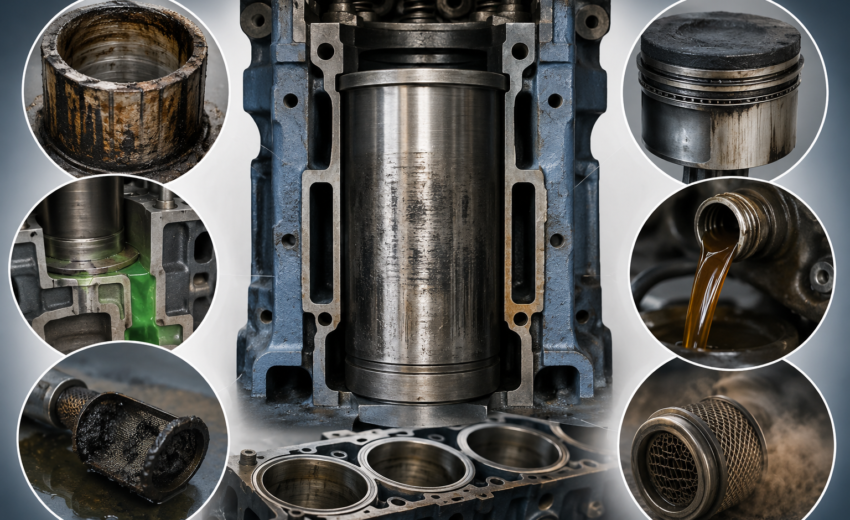
ALCO engines have been a trusted workhorse in the railway industry for decades. Known for their durability and performance, these engines continue to power locomotives across many regions of the world. However, like any diesel engine, ALCO engines are subject to wear and tear over time. One of the most important components affected by this process is the Alco Cylinder Liner.
Cylinder liners provide the internal surface against which the piston moves during engine operation. They play a vital role in maintaining compression, controlling combustion, and protecting the engine block from excessive wear. When cylinder liners deteriorate, engine efficiency declines, fuel consumption increases, and the risk of costly breakdowns rises significantly.
Understanding the common causes of Alco Cylinder Liner wear is essential for maintenance teams, railway operators, and locomotive rebuild specialists. By identifying these issues early and using high-quality Alco Liner, Diesel Engine Spares, and Railway Spares, operators can maximize engine life and reduce operational costs.
What Is an Alco Cylinder Liner?
An Alco Cylinder Liner is a replaceable cylindrical sleeve installed inside the engine block. It forms the combustion chamber wall and provides a durable surface for piston movement.
The primary functions of a cylinder liner include:
- Supporting piston movement
- Maintaining engine compression
- Dissipating heat generated during combustion
- Protecting the engine block from wear
- Enhancing engine longevity
Because liners operate under extreme temperatures and pressures, they must be manufactured from high-quality materials capable of handling demanding locomotive applications.
Why Cylinder Liner Condition Matters
A worn or damaged Alco Liner can affect multiple aspects of engine performance, including:
- Reduced power output
- Higher fuel consumption
- Increased oil usage
- Poor combustion efficiency
- Excessive exhaust emissions
- Increased maintenance costs
In severe cases, liner failure can result in extensive engine damage and expensive repairs.
1. Inadequate Lubrication
One of the leading causes of Alco Cylinder Liner wear is insufficient lubrication.
Engine oil creates a protective film between the piston rings and liner surface. When lubrication is inadequate, metal-to-metal contact occurs, causing accelerated wear.
Common causes of lubrication failure include:
- Low oil levels
- Poor-quality lubricants
- Oil contamination
- Blocked oil passages
- Improper maintenance practices
Regular oil analysis and scheduled maintenance can help prevent lubrication-related damage.
2. Contaminated Lubricating Oil
Contaminants in engine oil can significantly accelerate liner wear.
Common contaminants include:
- Dust particles
- Dirt
- Water
- Fuel dilution
- Combustion by-products
These contaminants act like abrasive materials, scratching the liner surface and reducing its lifespan.
Using quality filtration systems and premium Diesel Engine Spares can help maintain oil cleanliness and protect critical engine components.
3. Poor Air Filtration
Air entering the engine must be clean and free of abrasive particles.
When air filters become clogged, damaged, or ineffective, contaminants can enter the combustion chamber and cause excessive wear on the Alco Cylinder Liner.
Signs of poor air filtration include:
- Increased engine wear
- Higher fuel consumption
- Reduced engine performance
- Excessive smoke emissions
Routine inspection and replacement of air filters are essential for maintaining engine health.
4. Improper Combustion
Efficient combustion is critical for engine performance and liner longevity.
Problems such as:
- Faulty injectors
- Incorrect fuel timing
- Poor fuel quality
- Uneven fuel distribution
can create abnormal combustion conditions.
These issues may result in:
- Hot spots within the cylinder
- Increased thermal stress
- Carbon deposits
- Accelerated liner wear
Maintaining fuel system components and using quality Railway Spares can help ensure proper combustion.
5. Corrosion Wear
Corrosion is another major contributor to cylinder liner deterioration.
During combustion, acids and moisture can form inside the engine. If not properly controlled, these substances attack the liner surface.
Corrosion wear often occurs when:
- Engines operate at low temperatures
- Moisture accumulates inside cylinders
- Coolant leaks into combustion chambers
- Poor-quality fuel is used
Proper operating temperatures and routine inspections can minimize corrosion-related damage.
6. Abrasive Wear from Carbon Deposits
Carbon deposits are a natural by-product of combustion.
Over time, excessive carbon buildup can cause:
- Increased friction
- Ring sticking
- Surface scratching
- Uneven wear patterns
When carbon particles become trapped between piston rings and the Alco Liner, they act as abrasives that damage the liner surface.
Regular engine servicing helps reduce carbon accumulation and maintain optimal performance.
7. Overheating
Excessive engine temperatures can severely impact cylinder liner durability.
Overheating causes:
- Thermal expansion
- Material distortion
- Reduced lubrication effectiveness
- Surface cracking
Common causes of overheating include:
- Cooling system failures
- Blocked coolant passages
- Faulty water pumps
- Low coolant levels
Maintaining the cooling system is critical for protecting the Alco Cylinder Liner and other engine components.
8. Incorrect Installation Practices
Even high-quality liners can fail prematurely if installed incorrectly.
Common installation errors include:
- Improper alignment
- Incorrect liner protrusion
- Inadequate sealing
- Failure to follow manufacturer specifications
These issues may lead to uneven loading, excessive vibration, and accelerated wear.
Professional installation during a Locomotive Rebuild ensures optimal liner performance and longevity.
9. Excessive Engine Loading
Locomotives often operate under demanding conditions. However, continuous overloading can place excessive stress on engine components.
Heavy loads increase:
- Combustion pressure
- Operating temperature
- Mechanical stress
Over time, this contributes to accelerated liner wear and reduced engine life.
Operators should follow recommended operating guidelines to avoid unnecessary strain on the engine.
10. Poor Quality Replacement Components
Using substandard replacement parts is one of the fastest ways to reduce engine reliability.
Low-quality liners may suffer from:
- Poor material composition
- Inconsistent dimensions
- Reduced hardness
- Shorter service life
Investing in premium Alco Liner, Diesel Engine Spares, and Railway Spares helps maintain engine performance and reduce long-term maintenance costs.
Warning Signs of Cylinder Liner Wear
Early detection of liner wear can prevent costly repairs.
Common warning signs include:
- Increased oil consumption
- Loss of engine power
- Excessive exhaust smoke
- Reduced compression
- Elevated fuel consumption
- Abnormal engine noises
- High crankcase pressure
Routine inspections can identify these issues before major damage occurs.
The Role of Locomotive Rebuild Programs
A comprehensive Locomotive Rebuild program provides an excellent opportunity to inspect and replace worn cylinder liners.
Benefits of rebuilding include:
- Extended locomotive lifespan
- Improved fuel efficiency
- Reduced maintenance costs
- Enhanced reliability
- Restored engine performance
Replacing worn liners during scheduled rebuilds helps prevent unexpected failures and improves operational availability.
Best Practices to Minimize Alco Cylinder Liner Wear
To maximize liner life, railway operators should follow these maintenance practices:
Maintain Proper Lubrication
Use high-quality lubricants and monitor oil condition regularly.
Monitor Cooling Systems
Ensure cooling systems function efficiently and maintain proper temperatures.
Replace Filters Regularly
Clean air and oil are essential for reducing wear.
Conduct Routine Inspections
Monitor compression, oil consumption, and engine performance indicators.
Use Quality Railway Spares
Choose trusted suppliers that provide reliable Railway Spares and Diesel Engine Spares.
Follow Manufacturer Guidelines
Adhere to recommended maintenance intervals and operating procedures.
Why High-Quality Alco Liners Matter
Premium Alco Cylinder Liner products offer several advantages:
- Improved wear resistance
- Better heat transfer
- Enhanced durability
- Consistent dimensional accuracy
- Longer service life
These benefits contribute to lower operating costs and greater locomotive reliability.
For railway operators managing large fleets, the long-term savings can be substantial.
Why Choose Indo German Industries?
Indo German Industries is a trusted supplier of high-quality railway engine components, including:
- Alco Cylinder Liner
- Alco Liner
- Diesel Engine Spares
- Railway Spares
- Components for Locomotive Rebuild projects
The company is committed to delivering products that meet demanding railway industry standards while ensuring reliability, durability, and performance.
Learn more at:
https://indogermanind.com/
Frequently Asked Questions (FAQs)
What causes Alco Cylinder Liner wear?
Common causes include poor lubrication, contaminated oil, overheating, improper combustion, corrosion, abrasive particles, and excessive engine loading.
How often should cylinder liners be inspected?
Inspection intervals depend on operating conditions and maintenance schedules, but routine checks during major servicing are recommended.
Can worn cylinder liners affect fuel consumption?
Yes. Worn liners reduce compression and combustion efficiency, leading to increased fuel usage.
Why are high-quality Alco Liners important?
High-quality liners provide better wear resistance, durability, and reliability, helping extend engine life.
What role do cylinder liners play in a locomotive rebuild?
Cylinder liners are often inspected, refurbished, or replaced during a locomotive rebuild to restore engine performance and reliability.
Where can I find quality Railway Spares and Diesel Engine Spares?
Trusted suppliers such as Indo German Industries offer premium-quality railway and diesel engine components designed for demanding locomotive applications.
Key Takeaways
The Alco Cylinder Liner is a vital component that directly impacts engine efficiency, reliability, and longevity. Wear can result from inadequate lubrication, contamination, overheating, poor combustion, and improper maintenance practices. Understanding these causes allows railway operators to take preventive measures and avoid costly repairs.
By investing in high-quality Alco Liner, Diesel Engine Spares, and Railway Spares, and incorporating regular inspections into every Locomotive Rebuild program, operators can significantly extend engine life and maintain dependable locomotive performance for years to come.
